The kings are real, in the right order
The books of Kings name dozens of rulers, along with the foreign kings they fought and paid. Moab, Assyria and Babylon kept their own records, for their own purposes, and those records keep landing on the same names.
- OmriMesha of Moab, writing around 840 BCE, says that Omri was king of Israel and
oppressed Moab many days
, and that his son meant to do the same, until Mesha threw off Israel's rule. Mesha Stele - AhabShalmaneser III's battle record for Qarqar (853 BCE) names
Ahab the Israelite
, who brought 2,000 chariots and 10,000 foot soldiers, the largest chariot force in the coalition. Kurkh Monolith - JehuThe same Assyrian king records the tribute of
Jehu son of Omri
, c. 841 BCE, beside a panel of a figure bowing to the ground before him. (Jehu wasn't Omri's descendant; Assyria went on calling Israel the House of Omri.) Black Obelisk - Menahem and AhazTiglath-Pileser III, the Bible's
Pul
, lists tribute fromMenahem of Samaria
and later from Ahaz of Judah, under the fuller form of his name, Jehoahaz. Kings records both payments. Tiglath-Pileser III Annals - HezekiahSennacherib names
Hezekiah the Judahite
in his account of the 701 BCE invasion. Sennacherib's Prisms - ManassehEsarhaddon lists
Manasseh, king of Judah
among 22 western kings made to supply materials for his palace. Esarhaddon's Prism - JehoiachinBabylonian storeroom ledgers issue oil to
Yaukin, king of Judah
and his five sons, in exile in Babylon. Jehoiachin Ration Tablets
Eight kings of Israel and Judah, across roughly three centuries, each turning up in the right century in someone else's records, and often in the records of the very foreign king the Tanach pairs them with: Menahem with Pul, Hezekiah with Sennacherib, Jehoiachin with Nebuchadnezzar. A writer working from legend centuries later has no way to get those pairings right. A writer drawing on real royal records does.

The bit players are real
The strongest evidence is often the least dramatic. Someone inventing a history names heroes and villains, and doesn't bother naming the scribe whose room hosted a reading, the officers who sat in a gate, or the governor who filed a report. Those are exactly the names an eyewitness record mentions in passing, and they keep turning up.
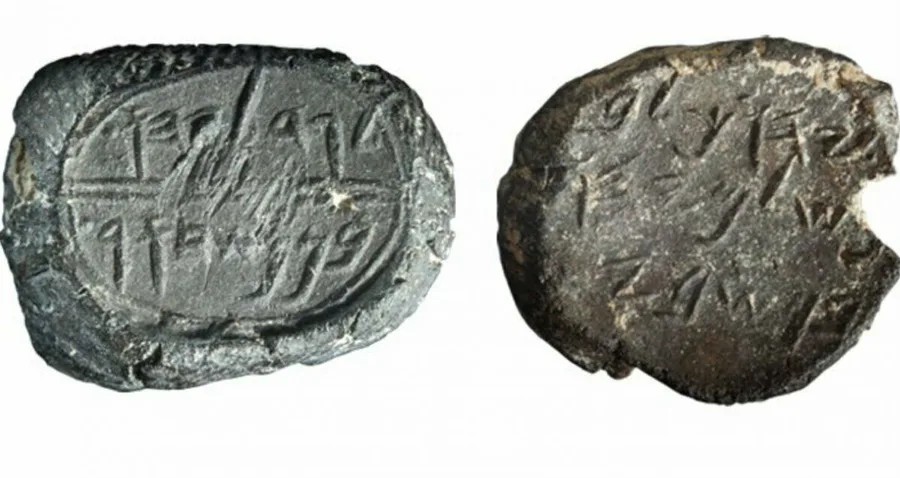
- Jehucal son of Shelemiah and Gedaliah son of PashhurJeremiah 38:1 names four officials who had the prophet let down into a muddy pit. Eilat Mazar's excavations in the City of David found the seal impressions of two of them, in 2005 and 2008, only a few meters apart. Jehucal & Gedaliah Bullae
- Gemariah son of ShaphanBaruch read Jeremiah's scroll
in the chamber of Gemariah son of Shaphan the scribe
. A seal impression readingBelonging to Gemaryahu son of Shaphan
came out of Yigal Shiloh's 1982 dig, in a building burned when Jerusalem fell. Gemaryahu Bulla - Nebo-SarsekimJeremiah lists the Babylonian officers who took their seats at Jerusalem's middle gate, among them
Sarsechim the Rab-saris
(Nebo-sarsechim in many translations), the chief eunuch. A Babylonian temple receipt from 595 BCE records gold belonging toNabu-sharrussu-ukin, the chief eunuch
: the Babylonian form of the same name, with the same title. Nebo-Sarsekim Tablet - TattenaiEzra names
Tattenai, governor of the province of Beyond the River
, who questioned the rebuilding of the Temple. A Babylonian debt note dated 5 June 502 BCE has a witness who servedTattannu, governor of Across-the-River
. Tattenai Tablet - BaalisJeremiah records the warning that Baalis, king of Ammon, had sent an assassin to kill the governor Gedaliah. A seal of one of his officials,
servant of Ba'alyasha
, was excavated in Ammonite territory in 1984. Seal of Baalis
None of these people is a hero of the story, and several appear only once. That is the point. A storyteller has little reason to get them right. A record written close to the events gets them right without trying.
Both sides tell the same story
Ancient kings carved their own victories, not their enemies' version of events. When the Tanach and a foreign king's monument describe the same campaign from opposite sides, neither one copied the other.
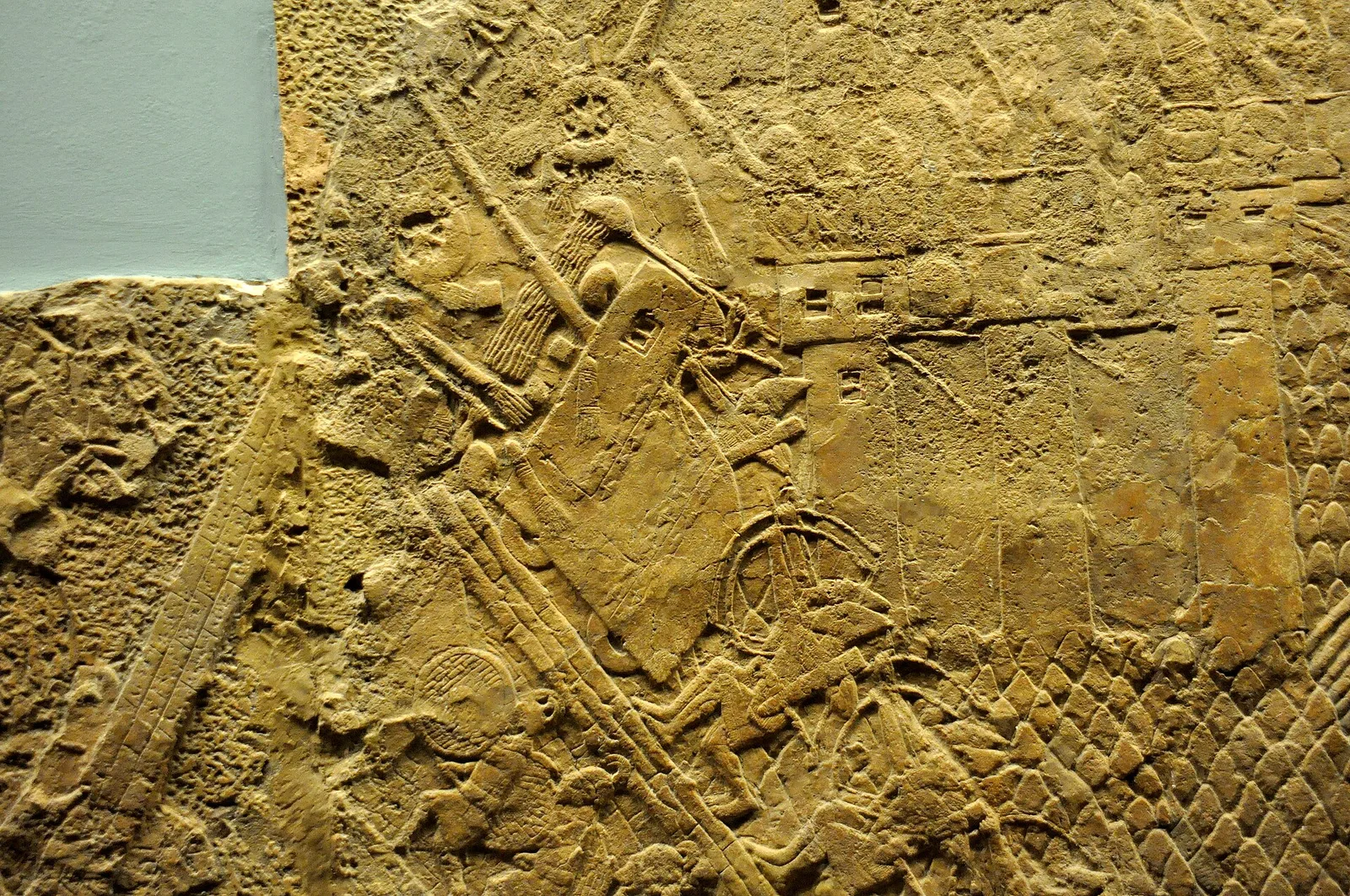
- Lachish, 701 BCEKings has Hezekiah sending his surrender to the king of Assyria
at Lachish
. Sennacherib lined a room of his palace at Nineveh with carved scenes of the siege, captioned with the city's name, and at Tel Lachish excavators found the Assyrian siege ramp itself. Three independent witnesses: the Tanach, the attacker's palace walls, and the ground. Lachish Relief · Tel Lachish - Jerusalem, 701 BCESennacherib boasts of 46 Judean cities taken and Hezekiah shut up
like a bird in a cage
, but never claims to have taken Jerusalem. Kings says he didn't. Sennacherib's Prisms - Shishak's campaignPharaoh Shoshenq I carved a list of more than 150 conquered Canaanite towns at Karnak, and a fragment bearing his name was found at Megiddo, inside the land his campaign reached. Karnak Relief · Megiddo Fragment
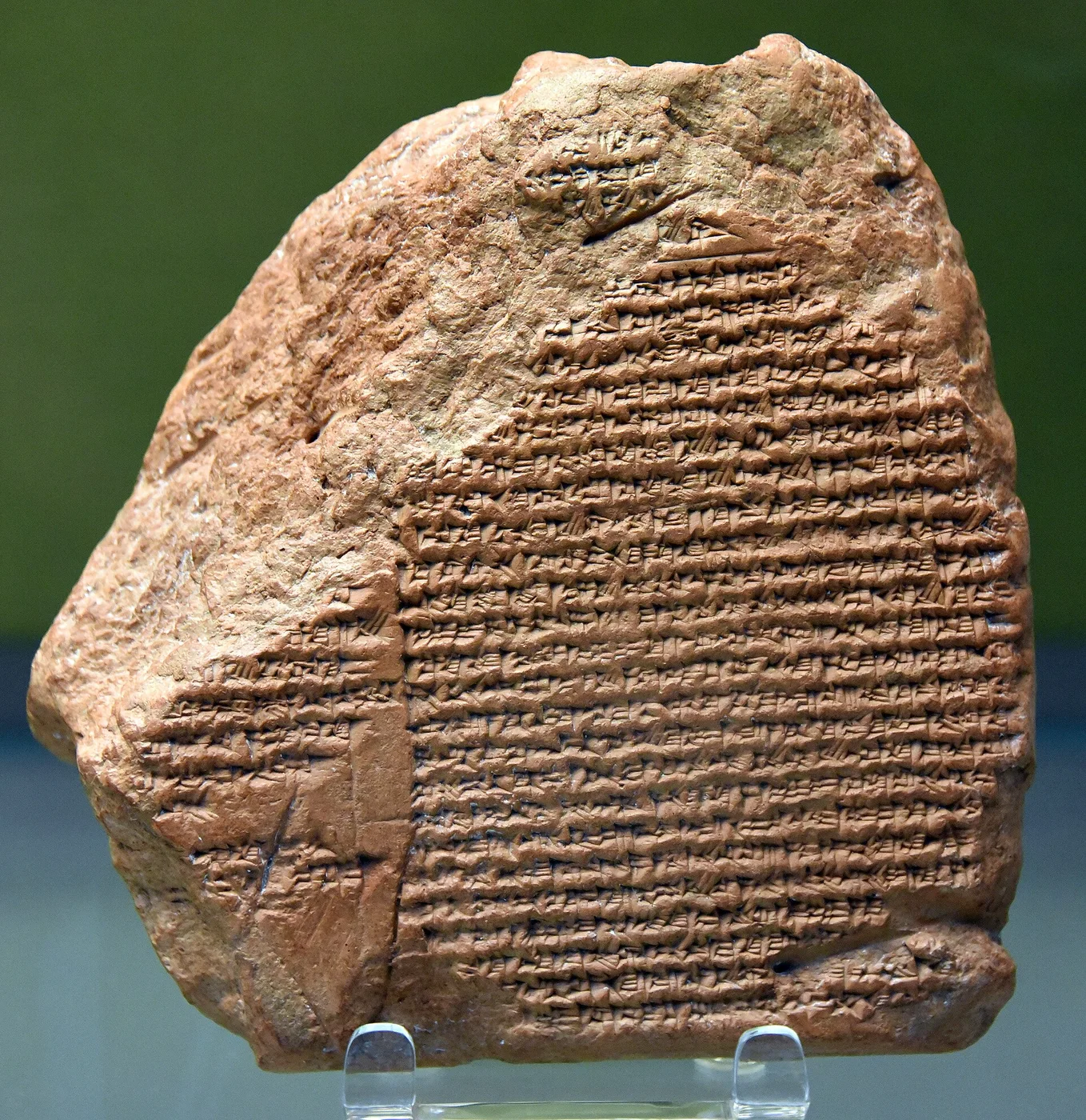
- Jerusalem, 597 BCEBabylon's own chronicle: Nebuchadnezzar
seized the city and captured the king. He appointed therein a king of his own choice
. The chronicle names neither king. Kings does: Jehoiachin taken, and Zedekiah put in his place. Babylonian Chronicles - The murder of SennacheribKings says his sons Adrammelech and Sarezer struck him down and fled to the land of Ararat. Babylon's chronicle records that
his son killed him in a rebellion
. Most scholars identify that son, from a broken letter found at Nineveh, as Arda-Mulissu, the biblical Adrammelech, and the conspirators fled north to Urartu, the biblical Ararat. Arda-Mulissu Letter
Different languages, different scripts, opposite loyalties, same events.
Details a later writer would have gotten wrong
The hardest thing to fake isn't the big picture. It's the small detail that was true at the time and forgotten afterward.
- BelshazzarDaniel makes Belshazzar the ruler of Babylon on the night it fell. Babylonian king lists end with Nabonidus, and Belshazzar appeared in no known ancient record, so until the mid-1800s critics could treat him as the author's invention. Then cylinders Nabonidus buried at Ur, found in 1854, named Belshazzar as his firstborn son; the Nabonidus Chronicle records the king away at Tema in Arabia for years while
the prince
stayed in Babylonia; and the Verse Account says Nabonidus entrusted the kingship to him. It may even explain why Belshazzar offers Daniel ruleas one of three in the kingdom
: with his father still king, third place was the highest he had to give. Nabonidus Chronicle - Hazael,Kings says Hazael, a servant of the king of Aram, killed his master and took the throne of Damascus. An Assyrian statue records that
son of a nobody
Hazael, son of a nobody, seized the throne
, the regular Assyrian phrase for a usurper with no royal father. Aššur Statue - Jehoiachin, stillKings ends with the exiled Jehoiachin, decades after he lost his throne, still called
king
King Jehoiachin of Judah
. His Babylonian captors' ledgers call him exactly that:king of the land of Judah
. Ration Tablets - Sargon of AssyriaIsaiah dates a prophecy to the year
the Tartan came to Ashdod—being sent by King Sargon of Assyria
. It is the only verse in the Tanach that names him, and elsewhere he was nearly forgotten: 19th-century commentators assumed Sargon was another name for Shalmaneser, Sennacherib or Esarhaddon. Then in 1843 Paul-Émile Botta uncovered Sargon's own palace, and in 1963 pieces of his victory stele turned up at Ashdod itself. Even Tartan is right: not a name, but the Assyrian title of the army's commander-in-chief. Ashdod Stele
The foreign records that confirm these details lay buried for more than two thousand years. The Tanach had them right all along.
The places and structures are real
Place names and structures can be checked with a spade, and the Tanach's pass the check.
- Hezekiah's TunnelKings credits Hezekiah with the conduit that
brought the water into the city
. The tunnel still runs beneath Jerusalem, and the inscription carved inside it describes two crews digging from opposite ends until they met. Siloam Tunnel Inscription - The Broad WallIsaiah says Jerusalem's houses were
pulled down to fortify the wall
. Nahman Avigad uncovered a late-8th-century wall seven meters thick, with houses of the period crushed beneath its foundations. Broad Wall - Solomon's gatesOne verse names the three cities Solomon fortified:
Hazor, Megiddo, and Gezer
. Excavators found the same six-chambered gate at all three, one blueprint repeated across 60 miles, which Amihai Mazar and others date to the 10th century BCE. Solomonic Gate Complex - The siege of GathKings gives it one sentence: Hazael of Aram
attacked Gath and captured it
. At Tell es-Safi, a siege trench 2.5 kilometres long rings the city, and the whole city burned around 830 BCE, within Hazael's reign. Gath Siege Trench - The pool of GibeonDavid's and Saul's men faced off
at the pool of Gibeon
. At el-Jib, James Pritchard found jar handles inscribed with the city's name, Gibeon, and a rock-cut pool 37 feet across. Gibeon - Mesha's map of MoabThe Moabite king names Dibon, Medeba, Nebo, Ataroth and more, and says
the men of Gad
had lived around Ataroth from ancient times: the tribe Numbers settles in exactly that district. Mesha Stele
